Shortlands estate garden rubbish clearance checklist BR3
If you are staring at a pile of cut branches, old pots, soggy bags, and that one broken chair that somehow ended up in the garden, you are not alone. A proper Shortlands estate garden rubbish clearance checklist BR3 helps you clear the mess without making it worse, and without wasting a Saturday trying to guess what goes where.
This guide is built for people in and around Shortlands who want a tidy, practical way to handle garden waste on an estate, whether it is after a hedge cut, a full seasonal tidy-up, or a bigger clear-out before new planting. You will find a step-by-step process, common mistakes to avoid, a useful comparison of disposal options, and a checklist you can actually use. No fluff. Just the stuff that matters when the bins are full and the garden still is not finished.
Table of Contents
- Why Shortlands estate garden rubbish clearance checklist BR3 Matters
- How Shortlands estate garden rubbish clearance checklist BR3 Works
- Key Benefits and Practical Advantages
- Who This Is For and When It Makes Sense
- Step-by-Step Guidance
- Expert Tips for Better Results
- Common Mistakes to Avoid
- Tools, Resources and Recommendations
- Law, Compliance, Standards, or Best Practice
- Options, Methods, or Comparison Table
- Case Study or Real-World Example
- Practical Checklist
- Conclusion
- Frequently Asked Questions
Why Shortlands estate garden rubbish clearance checklist BR3 Matters
Garden waste looks harmless until it starts spreading. A few bags of trimmings become a damp heap. A couple of old slabs turn into a trip hazard. And once material is left out on an estate, it can attract pests, block shared paths, or make the whole place feel untidy. That is the real reason this checklist matters: it keeps the job organised before the waste turns into a nuisance.
On a Shortlands estate, there is often another layer to think about. Shared access, neighbours passing through, limited parking, and communal spaces all change how clearance should be handled. You cannot just dump everything by the front hedge and hope for the best. The clearer your plan, the less likely you are to annoy anyone or have to do the job twice.
It also helps you sort what needs careful handling. Garden rubbish is not always just leaves and grass. There may be broken fencing, treated timber, terracotta pots, soil, an old barbecue, or even mixed household items that were left outside over winter. A checklist stops those bits from getting thrown together blindly.
Expert summary: the best garden rubbish clearance is not the fastest one; it is the one that separates green waste, bulky items, and anything risky before the loading starts. That tiny bit of order saves time, effort, and usually a headache or two.
How Shortlands estate garden rubbish clearance checklist BR3 Works
The process is straightforward once you break it down. First, you identify what actually needs removing. Then you split it into sensible categories. After that, you decide whether it can go into green waste, mixed waste, a skip, or a booked clearance service. Simple enough in theory. In real life, the awkward part is often the in-between stuff.
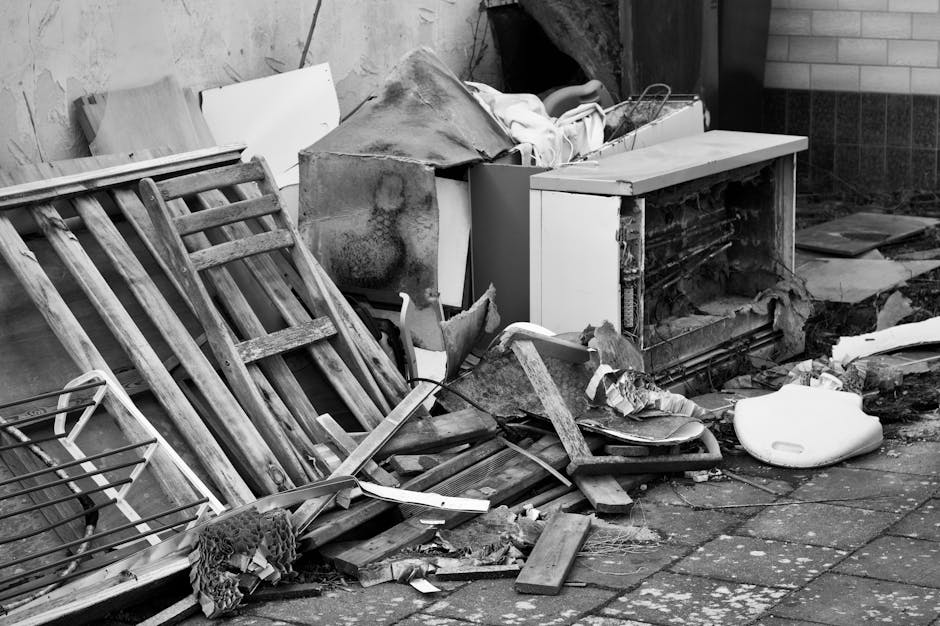
For example, hedge cuttings and grass clippings are usually easy. Wet soil, root balls, timber sleepers, and rusted metal edging are not. They are heavier, messier, and harder to move safely. In our experience, most delays happen because people underestimate how mixed a garden can become after a few seasons of neglect. One minute it is a tidy courtyard. Next minute there is a small ecosystem hiding behind the shed.
A good checklist helps you work in the right order:
- Walk the garden and note every waste type.
- Separate green waste from hard waste.
- Check for anything sharp, heavy, or treated.
- Decide what you can move yourself and what needs help.
- Choose the most practical disposal route.
- Clear the space safely and sweep up properly at the end.
If you prefer a managed approach, a dedicated garden service such as garden clearance can be a sensible option, especially where access is tight or the waste pile is awkwardly mixed. For larger household declutters that spill outdoors, home clearance can sometimes be more appropriate. It depends on what is actually there, not just the label on the pile.
Key Benefits and Practical Advantages
Let's face it, nobody gets excited about garden rubbish. But doing it properly has some very real upsides.
- Cleaner shared spaces: Estate gardens look better quickly when waste is removed in one controlled pass.
- Safer movement: Fewer trip hazards, fewer rusty edges, fewer hidden bits under leaves.
- Better sorting: Green waste can often be separated from general rubbish, which is better for recycling and for your conscience, really.
- Less hassle with neighbours: If access needs to be shared, a clear plan keeps things calm.
- Faster completion: A checklist avoids the classic back-and-forth of "what about this bit?" and "where does that go?"
There is also a practical money angle. Mixed waste is usually more awkward than separated waste. If you know in advance which items are branches, which are soil, and which are bulky hard materials, you can make a more informed decision about disposal. That often leads to better value, even if you are paying for collection rather than doing everything yourself.
For people comparing disposal routes, it helps to look at the broader picture. If the garden mess is part of a bigger clear-out, you may also want to review waste removal and, where relevant, recycling and sustainability to understand how different materials are usually handled.
Who This Is For and When It Makes Sense
This checklist is useful for more people than you might think. It is not just for landlords or property managers, although they certainly use it a lot. It is also for residents who have inherited a messy garden, tenants trying to leave a place tidy, and homeowners dealing with an overgrown patch after a busy few months.
It makes sense when:
- a hedge cut or pruning job has generated more waste than expected;
- you are preparing for a viewing, sale, or tenancy handover;
- the garden has mixed rubbish left by previous occupants;
- you need to clear paths, patios, or communal corners on an estate;
- you want a neater outdoor space before replanting or landscaping;
- you have bulky items, not just organic waste.
It is also useful if you are handling an estate garden where the work is shared or staggered. Some residents clear their own section; others prefer a single coordinated clearance day. Either way, the checklist keeps the process from becoming a muddle.
If your project involves household items sitting indoors as well, services such as house clearance or garage clearance may be worth comparing. The real question is: what are you actually clearing, and how mixed is it?
Step-by-Step Guidance
Here is the part most people want first. A usable sequence. Not theory.
1. Survey the garden slowly
Do one full walk-through before lifting anything. Look under shrubs, behind sheds, along borders, and around drains or paths. Wet leaves and tangled stems hide more rubbish than you expect. If there is an awkward corner, check it properly. That corner is usually the one with the broken pot and half a fence panel.
2. Group waste by type
Separate the material into clear piles:
- Green waste: grass, leaves, hedge trimmings, small branches, plants, weeds
- Woody waste: thicker branches, logs, untreated timber
- Hard waste: broken planters, paving fragments, fencing, metal edging
- Bulky items: furniture, toys, barbecues, compost bins
- Potentially hazardous items: chemicals, asbestos-related materials, fuel containers, sharp metal or contaminated items
That last group needs proper caution. If you are not sure what something is, pause. Do not just chuck it in with everything else.
3. Remove obvious hazards first
Pick out glass, nails, splintered wood, and anything that could cut through gloves or bags. If you are dealing with heavy soil or old slabs, clear a safe route first. It sounds obvious, but when a space is messy, people tend to start at the nearest pile rather than the safest one.
4. Decide what can be reused or recycled
Some garden waste can be reused in the garden. Healthy branches can be chipped or cut for habitat piles. Stones may be suitable for edging. Terracotta pots may be washed and reused. A little judgement goes a long way here. Not every item needs to leave the site immediately.
5. Choose the disposal route
This is where a proper checklist saves time. Smaller, clean green waste may suit a container or compost route. Mixed bulky items may need a booked collection. Heavier or more awkward material may be better handled by a professional team with loading equipment and the right vehicle.
If you need to compare the type of waste you have with what can go into a container, what can go in a skip is a helpful reference point. It is not a shortcut, but it does help you avoid guessing. Guessing is expensive. And messy.
6. Clear in a sensible order
Start with loose light waste, then move to the heavier or sharper items. Try not to disturb everything at once. If the garden is damp, work carefully so mud does not spread across paths or indoor floors. On an estate, keeping walkways clean is more than courtesy; it helps avoid complaints and slip risks.
7. Finish with a sweep and final check
Once the waste is gone, do one final walk-through. Check corners, under benches, near drains, and around gates. You would be surprised how often one bag of debris gets missed because everyone is focused on the main pile. Happens all the time.
Expert Tips for Better Results
A few small choices can make the whole task easier.
- Work dry if you can. Wet waste is heavier and far more awkward to move. A bright dry morning is much kinder to you than a drizzly afternoon.
- Use smaller loads. Overfilled bags split at the worst moment. Usually when you are carrying them through a narrow shared path.
- Keep sharp items separate. Old pruning tools, wire, or broken trellis should not be buried under softer waste.
- Protect access routes. Lay down a temporary sheet or cardboard if you are moving waste through a hallway or shared entrance.
- Ask about lifting limits. Soil, rubble, and wet garden waste are deceptively heavy. One large bag can feel like it has been packed with bricks. Not ideal.
- Think about timing. If neighbours share the space, choose a quieter window and let people know what you are doing.
There is also a sustainability angle worth keeping in mind. If your waste is mostly plant matter, separating it properly can improve the chance that it is handled in the right stream. That is one reason services such as recycling and sustainability matter even in a small garden job.
Common Mistakes to Avoid
Most problems are not dramatic. They are just avoidable.
- Mixing everything together: Green waste, soil, wood, and household rubbish all in one pile makes disposal harder.
- Ignoring hidden hazards: Old nails, broken glass, and sharp wire are easy to miss.
- Overloading bags: This slows everything down and increases the risk of splits or injury.
- Leaving waste outside for too long: On an estate, that can quickly become a nuisance.
- Forgetting access: Tight gates, shared paths, parked cars, and basement steps all affect how a clearance should be planned.
- Assuming soil is light: It rarely is, especially once it has been damp for a week or two.
One of the more common mistakes, honestly, is treating garden rubbish like one neat category. It is not. It is a mixed bag, and a rather annoying one at that. The sooner you separate it, the smoother the job becomes.
Tools, Resources and Recommendations
You do not need a truckload of kit, but a few basics help.
- Heavy-duty gloves: better grip, better protection, less regret.
- Rake and grabber tools: useful for lifting wet leaves and smaller debris without stooping every five seconds.
- Sturdy bags or tubs: choose something that will not tear on rough timber or stones.
- Wheelbarrow or sack truck: helpful for heavier waste, especially on longer walks to the exit point.
- Broom and dustpan: for the final tidy-up on paths and patios.
- Basic first-aid awareness: especially if sharp or rusted material is present.
If the job is larger than expected, or the waste includes mixed household items as well as garden material, it may be worth comparing specialist services. A few useful pages on the same site include furniture disposal, furniture clearance, and builders waste clearance when the outdoor area contains renovation debris too. That mix happens more often than people think, especially after landscaping work.
Law, Compliance, Standards, or Best Practice
For garden rubbish clearance in the UK, the safest approach is to follow sensible duty-of-care practice: keep waste sorted, use a lawful disposal route, and avoid leaving anything ambiguous in shared or public areas. That is the practical version, anyway. You do not need to overcomplicate it, but you do need to be careful.
Some materials need extra attention. Treated timber, chemicals, fuel containers, paint tins, and anything that may be contaminated should not be treated like normal green waste. If you are unsure, stop and get proper guidance before moving it into a general pile. The same caution applies to suspicious fragments of construction material. If something looks wrong, it probably deserves a second look.
Estate settings bring their own best-practice points:
- keep shared routes clear;
- avoid blocking emergency access;
- protect communal flooring and entrances;
- do not overfill bins or storage areas;
- communicate with neighbours or managing agents if the work affects shared space.
For service users, reassurance matters too. A provider that is clear about insurance and safety and follows documented health and safety policy standards is usually the kind of partner you want when access is awkward or waste is heavy. And if your concern is how items are handled, privacy policy and terms and conditions matter too, especially when a booking involves access instructions or estate details.
Options, Methods, or Comparison Table
Different garden clearance methods suit different situations. Here is a plain-English comparison.
| Method | Best for | Pros | Watch-outs |
|---|---|---|---|
| Self-clearance | Small, light loads of green waste | Cheap, flexible, good for quick tidy-ups | Time-consuming, heavy lifting, transport needed |
| Skip hire | Medium to large mixed clear-outs | Handy for ongoing work, keeps waste on-site | Space needed, loading rules, not ideal for very awkward access |
| Booked clearance service | Bulky, mixed, or heavy garden rubbish | Fast, less lifting, good for tight access | Needs planning, cost depends on volume and waste type |
| Compost or reuse | Clean organic material and reusable items | Eco-friendly, reduces disposal volume | Not suitable for all waste, takes time and space |
The best option is usually the one that matches the waste mix and the access conditions. A small pile of hedge cuttings is not the same as a garden full of damp soil, rusted edging, broken fencing, and an old parasol base. If the pile starts looking like a mini landscape project, that is your clue to step back and reassess.
Case Study or Real-World Example
Picture a small communal garden in Shortlands after a long, wet autumn. The beds are overgrown, the lawn edge is lost under leaves, and behind a bench there is a pile of broken plant pots, a cracked trellis, and several bags of damp trimmings that have been sitting there a bit too long. Nothing dramatic. Just a very typical estate job.
The team starts by separating the green waste from the hard waste. The branches go in one section, the broken pots in another, and the old wood is checked for fixings and nails. One bag turns out to contain mixed rubbish and a torn garden liner, so it is kept apart instead of being lumped in with the clean material. That small decision makes the final load much easier to handle.
By the end, the path is clear, the bench is usable again, and the garden looks noticeably larger. That last part always surprises people. Once the clutter is gone, the space can feel twice as big. Truth be told, it is one of the nicer parts of the job.
For a mixed household-and-garden situation, a wider service such as flat clearance or office clearance can be relevant if the waste is coming from a property move or a managed premises rather than a simple garden tidy.
Practical Checklist
Use this as your working checklist before you start moving anything.
- Walk the entire garden and note every waste pile.
- Separate green waste, woody waste, hard waste, and bulky items.
- Remove sharp objects, broken glass, and exposed metal first.
- Check for soil, rubble, treated timber, or contaminated material.
- Decide what can be reused, composted, or recycled.
- Measure access: gates, stairs, shared paths, parking, and turning space.
- Choose the right disposal method for the waste mix.
- Keep loading areas tidy and do not overfill bags.
- Protect indoor and communal areas if waste passes through them.
- Finish with a sweep, final check, and removal of any missed bits.
- Confirm the space is left safe, clear, and usable.
If you are unsure whether you need a simple collection or something broader, the pricing and booking pages can help you plan your next step. A useful place to start is pricing and quotes, or, if you are ready to move ahead, book online.
Conclusion
A good Shortlands estate garden rubbish clearance checklist BR3 is really about control. It helps you see the job clearly, sort the waste properly, and avoid the usual little disasters that come with outdoor clear-ups. Once you break the task into categories and choose the right disposal route, the whole thing becomes much more manageable.
Whether you are dealing with a one-off tidy, a shared estate garden, or a bigger seasonal clearance, the same principle applies: separate first, lift carefully, and keep the space safe as you go. That approach saves time and makes the result feel cleaner too.
And if the job feels bigger than a weekend, that is perfectly normal. Some clearances just need a proper plan and a steady hand. No drama, no rush. Just a smarter way to get the garden back on side.
Get a free quote today and see how much you can save.
Frequently Asked Questions
What should be included in a Shortlands estate garden rubbish clearance checklist BR3?
Include waste sorting, hazard checks, access planning, disposal method selection, and a final sweep-up. The checklist should cover green waste, hard waste, bulky items, and anything sharp or contaminated.
Can I put all garden waste in one pile?
You can gather it together temporarily, but it is better to sort it before removal. Green waste, soil, timber, and mixed rubbish usually need different handling, and separating them makes the job easier and safer.
What counts as green waste?
Green waste usually means grass cuttings, leaves, hedge trimmings, weeds, and small plant material. Once you start adding soil, wood, or broken garden items, it stops being a clean green waste pile.
How do I know if my garden rubbish is too heavy to move myself?
If bags contain wet soil, rubble, or thick branches, they can be much heavier than expected. If you have to strain to lift a bag safely, or if it feels awkwardly shaped, it is better to split the load or get help.
Do I need a professional clearance service for a small garden?
Not always. A small, light tidy-up may be manageable yourself. A professional service becomes more useful when the waste is mixed, bulky, heavy, or difficult to move through shared access.
What should I do with broken pots, fencing, and old timber?
These are usually treated as hard waste rather than green waste. Keep them separate so you can decide whether they can be reused, recycled, or taken away as mixed rubbish.
Is it better to use a skip or a clearance service?
It depends on volume, access, and how much lifting you want to do. Skips suit ongoing work and larger volumes if there is space. A clearance service is often easier for tight access or mixed waste.
How long does a garden rubbish clearance usually take?
That depends on the size of the garden, the type of waste, and how well it has been sorted. A small tidy may be quick, while a cluttered estate garden with mixed material can take a lot longer.
What should I avoid putting with garden waste?
Avoid mixing in chemicals, fuel containers, sharp metal, and anything that may be contaminated or unsafe. If an item looks questionable, set it aside and deal with it separately.
How can I keep shared estate areas safe during clearance?
Keep paths open where possible, avoid blocking entrances, move waste in manageable loads, and clean up spills or debris as you go. If the work affects neighbours, give them a bit of notice.
Can garden clearance include bulky household items too?
Yes, if the waste pile includes items such as outdoor furniture, broken storage, or household clutter. In mixed cases, services like furniture clearance or mattress and sofa disposal may also be relevant.
What is the safest first step if I am not sure what the waste is?
Stop and inspect it properly before lifting. If it could be hazardous, heavy, or contaminated, do not guess. A careful check at the start is much better than trying to fix a mistake halfway through.
Who can I speak to about organising a clearance in Shortlands?
If you need help with a garden clear-out, booking advice, or practical questions about access and waste types, use the site's main contact us page. Sometimes a quick conversation saves a lot of backtracking later.
A clear garden has a way of clearing the mind too, and that part never gets old.