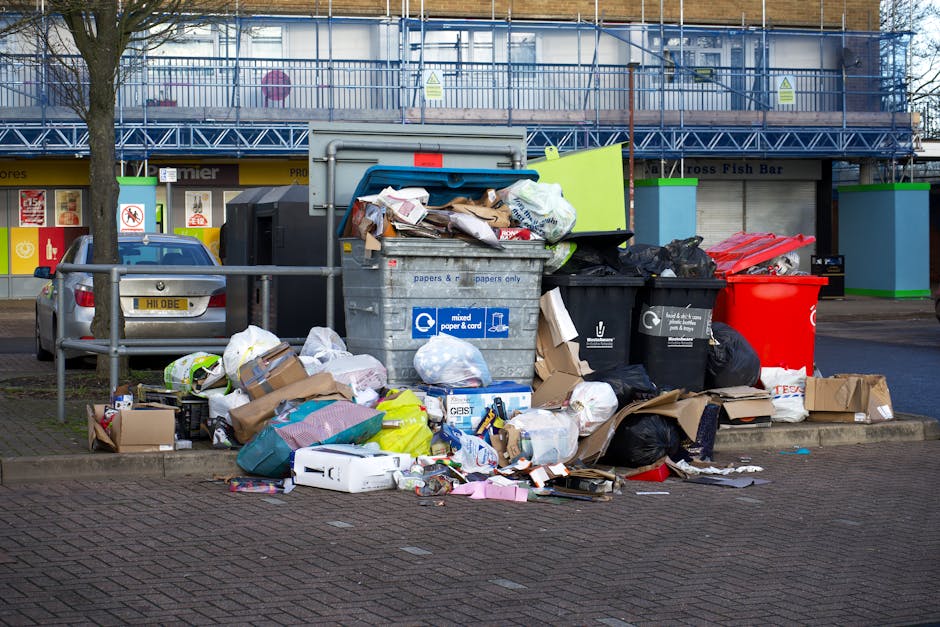
Beckenham High Street rubbish removal guide for homes
If you live near Beckenham High Street, rubbish removal can feel oddly complicated for something so ordinary. One week it is a sofa that has finally given up; the next it is a pile of loft clutter, a broken fridge, or bags of garden waste that somehow multiplied overnight. This guide to Beckenham High Street rubbish removal for homes is here to make the whole thing simpler, safer, and a lot less stressful.
We will walk through how home rubbish removal works, what to expect, what to avoid, and how to choose the right method for your situation. Whether you are clearing a flat, tidying a family house, or just want bulky waste gone without turning your weekend into a moving-day nightmare, you will find a clear practical path here. No fluff. Just the stuff that actually helps.
Table of Contents
- Why Beckenham High Street rubbish removal guide for homes Matters
- How Beckenham High Street rubbish removal guide for homes Works
- Key Benefits and Practical Advantages
- Who This Is For and When It Makes Sense
- Step-by-Step Guidance
- Expert Tips for Better Results
- Common Mistakes to Avoid
- Tools, Resources and Recommendations
- Law, Compliance, Standards, or Best Practice
- Options, Methods, or Comparison Table
- Case Study or Real-World Example
- Practical Checklist
- Conclusion
- Frequently Asked Questions
Why Beckenham High Street rubbish removal guide for homes Matters
Rubbish removal is not just about making a space look nicer, although that is usually the first relief people notice. It also affects safety, access, hygiene, and how smoothly a home runs day to day. On or around a busy high street, those things matter even more. Parking can be tight, shared entrances can be awkward, and a few heavy items left in a hallway can quickly become a real nuisance.
For households, the need often comes from a life event rather than a neat plan. A move, a renovation, a bereavement, a spring clean that got a bit out of hand, or simply years of "I will sort that later." Truth be told, most home clearances begin with a room that has stopped feeling usable.
There is also a practical angle. Leaving waste in the wrong place, overfilling bins, or trying to shift large items without the right help can lead to avoidable damage or delays. If you are near Beckenham High Street, it makes sense to think about access, timing, and disposal method before you start dragging things to the kerb. That small bit of planning saves a lot of hassle.
Expert summary: The best home rubbish removal approach is not always the biggest one. It is the one that fits your access, waste type, timing, and budget without creating extra work. Simple, but easy to overlook.
How Beckenham High Street rubbish removal guide for homes Works
Most home rubbish removal jobs follow a fairly predictable pattern. First, you identify what needs to go. Then you separate the load into general household waste, reusable items, recyclable material, and anything that needs special handling. After that, you choose the removal method that suits the amount and type of waste.
For smaller amounts, a staged clear-out may be enough. For larger loads, a full waste removal service is usually easier, especially when items are heavy, awkward, or mixed. If you have furniture, appliances, or roomfuls of clutter, it often helps to use a service that can collect directly from inside the property rather than relying on the pavement outside.
That is where planning matters. A typical removal team will want to know what is being collected, whether there are stairs or narrow access points, and whether any items need specialist disposal. If you are handling items like mattresses, old sofas, fridges, or other appliances, it is worth checking the right route in advance. Pages such as mattress and sofa disposal and fridge and appliance removal can be useful starting points when you are working out what needs separate handling.
In many homes, rubbish removal is also bundled with broader clearance work. A loft packed with boxes, a garage that has become a storage unit in disguise, or a flat that needs to be emptied after years of accumulation can all be handled more efficiently as part of a wider clear-out. If that is your situation, services like loft clearance, garage clearance, house clearance, or flat clearance may fit better than a one-off bin run.
Key Benefits and Practical Advantages
The biggest benefit is obvious: you get your space back. But the real value goes deeper than that. Once clutter is removed, rooms are easier to clean, easier to use, and easier to think in. That sounds a bit dramatic, maybe, but anyone who has tried to work around a stack of unwanted furniture knows exactly what it means.
- Less physical strain: heavy lifting, bending, and repeated trips down stairs add up fast.
- Cleaner access: hallways, entrances, and outdoor paths stay clearer and safer.
- Better use of space: spare rooms, lofts, and garages become functional again.
- Faster turnaround: one organised removal can save several weekends of DIY sorting.
- Improved recycling: sorting waste correctly helps more material avoid landfill where possible.
There is also a quiet emotional benefit. People often underestimate how much mental load clutter creates. A full room or overstuffed cupboard is not just an eyesore; it is a tiny ongoing to-do list sitting in your line of sight. Once it is gone, the house tends to feel calmer. Not perfect, just lighter.
For families on or near a high street, another advantage is convenience. You are often balancing work, school runs, deliveries, and the usual London day-to-day chaos. A professional removal service can reduce the amount of coordination needed, which is worth a lot when life is already busy enough.
Who This Is For and When It Makes Sense
This guide is for homeowners, tenants, landlords, and anyone responsible for clearing domestic waste in the Beckenham High Street area. It is especially useful if you are dealing with bulky items, mixed household rubbish, or a property that needs more than a standard bin collection can handle.
It makes sense to arrange rubbish removal when:
- you are moving home and do not want to transport unwanted items
- you are clearing out a loft, shed, garage, or spare room
- you have old furniture that is too large for normal waste collection
- you need to empty a property after renovation or decorating
- you want to dispose of broken appliances safely
- you need a tidy, fast solution before guests, tenants, or estate agents arrive
Some people assume they need a skip for anything substantial. Not always. If your waste is spread inside the home, or if parking is awkward, a man-and-van style collection or full waste removal visit can be far more practical. On the other hand, if you are doing a long DIY project with consistent rubble or mixed building waste, a skip may still be the better fit. The sensible answer depends on the job, not the habit.
For larger domestic clear-outs, it can also be useful to look at related services such as home clearance and furniture clearance. Those options are often a better match when the load is varied rather than just a few bin bags.
Step-by-Step Guidance
If you want the job to go smoothly, treat it like a mini project. Nothing huge. Just enough structure to stop things getting messy halfway through.
- Walk through the property. Check every room, cupboard, loft hatch, under-stair space, and outside storage area.
- Sort waste by type. Separate furniture, general junk, electricals, garden waste, cardboard, and anything potentially hazardous.
- Set aside keep, donate, recycle, and remove piles. This saves time on the day and helps reduce mistakes.
- Identify access issues. Narrow staircases, tight parking, shared entrances, and restricted loading areas all affect how removal works.
- Check for specialist items. Fridges, mattresses, sofas, and hazardous materials often need specific handling.
- Choose the right service level. Decide whether you need a single-item collection, partial clearance, or full property waste removal.
- Prepare the items for collection. Move smaller loose waste into a clear area if possible, but only if it is safe to do so.
- Confirm the timing. Pick a slot that works with neighbours, work hours, and local traffic patterns.
- Keep pathways clear. This makes the job safer and quicker. And yes, it really does matter.
- Ask about disposal route and recycling. A good service should be able to explain how waste is handled in plain English.
One small but useful habit: photograph tricky items before collection. It helps with quoting, planning, and avoiding confusion on the day. Slightly dull advice, perhaps, but it saves arguments and surprise delays.
Expert Tips for Better Results
After seeing many home clearances go right and a few go sideways, a pattern emerges. The smooth jobs are usually the ones where the homeowner has done a bit of prep. Not heroic preparation. Just thoughtful, realistic prep.
1. Separate reusable items early. A chair with life left in it should not be mixed with broken junk if you can avoid it. Reuse and recycling are easier when the stream is cleaner.
2. Put heavy items near the exit if safe. If you are able to move them without strain, doing so can speed things up. Do not injure yourself for the sake of efficiency, though. That defeats the point.
3. Be honest about the volume. Underestimating how much waste you have can lead to awkward delays. It is better to overdescribe than underdescribe.
4. Keep hazardous items separate. Paint, chemicals, solvents, and certain electrical waste should never be treated like ordinary rubbish.
5. Plan for weather and mess. A wet driveway, muddy garden path, or dusty loft makes moving waste harder. If it is tipping down at 8am, your plans may need a tweak. That is just life.
6. Think about neighbours and shared spaces. On a high street or in a block of flats, courtesy goes a long way. Short loading windows, limited parking, and quieter timing can avoid complaints later.
Where it fits your situation, you may also want to review recycling and sustainability. It is a useful reminder that good waste removal is not just removal; it is also responsible handling.
Common Mistakes to Avoid
Most rubbish removal problems are caused by small oversights, not huge disasters. The good news is that these are easy to avoid once you know what to look for.
- Leaving everything until collection day: last-minute sorting usually leads to missed items and confusion.
- Mixing hazardous waste with general rubbish: this can create safety issues and may not be acceptable for collection.
- Forgetting about access: a van cannot magically squeeze through a blocked driveway or a parked-up loading bay.
- Assuming all waste is the same: furniture, appliances, and construction leftovers may need different handling.
- Choosing a method that is too small: one trip is great, but only if it genuinely fits the load.
- Not checking what stays behind: keep, donate, and recycle items should be removed from the "go" pile early.
Another common one is emotional, really. People clear one obvious room, then realise they have created a second, bigger pile in the hallway. It happens all the time. The fix is to work room by room and avoid turning the whole house into a staging area.
Tools, Resources and Recommendations
You do not need fancy equipment to prepare for rubbish removal, but a few simple tools help a lot.
- Heavy-duty bags: good for mixed household rubbish, but do not overload them.
- Labels or sticky notes: useful for marking keep, donate, and remove piles.
- Work gloves: sensible for sharp edges, dust, and awkward items.
- Measuring tape: helpful if you are unsure whether bulky furniture will fit through doors or lifts.
- Phone camera: surprisingly useful for recording room contents and awkward access points.
- Dolly or sack truck: only if you know how to use one safely and the surface is suitable.
For specific item types, it helps to match the waste to the right service. If you are dealing with furniture, take a look at furniture disposal as well as furniture clearance. If your clear-out includes old domestic waste from across the home, waste removal can be the broadest and most flexible option.
There is also value in checking whether the provider explains pricing, booking, and payment clearly. Pages such as pricing and quotes and payment and security are good signs that the business takes transparency seriously. That matters more than people sometimes think.
Law, Compliance, Standards, or Best Practice
Home rubbish removal in the UK is not just a practical task; it carries responsibility. You should only use a waste carrier that handles waste legally and responsibly, and you should be cautious about handing waste to anyone who cannot explain where it goes. This is especially important for bulky household items, electricals, and anything that could be classed as hazardous.
For homeowners, the best practice is straightforward:
- keep waste separated where possible
- do not mix hazardous and non-hazardous items
- make sure the collection route is safe and accessible
- retain any paperwork or confirmation offered by the provider
- ask how reusable and recyclable material is handled
If you have confidential documents in the mix, use a dedicated service such as confidential shredding rather than putting paperwork into ordinary household rubbish. If your clear-out includes broken chemicals, old paint, or similar materials, hazardous waste disposal is the safer route.
Best practice also includes safety. Householders should avoid lifting items that are too heavy, sharp, or awkward without help. Simple as that. A twisted back is not a badge of honour. Providers should also have appropriate operational standards in place, which is why pages like health and safety policy and insurance and safety are worth reviewing if you want peace of mind.
Options, Methods, or Comparison Table
Different homes need different disposal methods. A quick comparison makes the choice clearer.
| Method | Best for | Pros | Watch-outs |
|---|---|---|---|
| DIY binning | Small amounts of light household waste | Low cost, simple for tiny jobs | Slow, limited capacity, not suitable for bulky items |
| Skip hire | Larger, steady-volume clear-outs or DIY waste | Good capacity, can suit longer projects | Needs space, permits or access planning may matter, loading is manual |
| Man-and-van rubbish removal | Bulky household rubbish, furniture, mixed loads | Fast, flexible, often collected from inside the property | May not suit very large building projects |
| Full house or home clearance | Whole-property or room-by-room clear-outs | Ideal for major decluttering or moving house | Requires more planning, especially for valuable or sensitive items |
If you are unsure which option fits, start with the shape of the job rather than the type of item. A single old wardrobe may be better as furniture clearance. A packed garage with mixed waste may be better as garage clearance. A loft full of boxes, Christmas decorations, and forgotten furniture? That is a different animal entirely.
For some household projects, a skip still makes sense. If that is the route you are considering, it can help to review what can go in a skip before you commit. That way you avoid awkward surprises halfway through the job.
Case Study or Real-World Example
Imagine a family home near Beckenham High Street where the spare room has slowly become a storage room. There are two broken chairs, an old mattress, boxes of books, a printer that has not worked for years, and a few bags of general clutter. Nothing dramatic. Just enough to make the room unusable.
They start by sorting the items into four groups: keep, donate, recycle, and remove. The mattress and sofa-style item are identified separately. The printer and other electricals are kept apart from ordinary rubbish. By the time collection day arrives, the hallway is clear and the waste is grouped sensibly near the exit.
The result is a much quicker collection, fewer back-and-forth questions, and no frantic digging through piles at the last minute. The room is empty by lunchtime. A bit of dust remains, naturally, because real homes are real homes, not showroom sets. But the space is usable again, and the family can actually breathe when they walk past it.
That is the hidden win with good rubbish removal. It is not just about disposal. It is about getting a normal, calm room back into your life.
Practical Checklist
Use this before arranging home rubbish removal around Beckenham High Street:
- Identify all items that need removing
- Separate reusable, recyclable, and waste items
- Check for fridges, mattresses, sofas, and electricals
- Set aside any hazardous materials
- Measure large items if access looks tight
- Clear pathways and entry points where safe
- Decide whether you need clearance, removal, or a skip
- Review pricing, security, and service information
- Keep important documents and valuables out of the waste pile
- Confirm timing and any access instructions in advance
Small steps, yes. But they make the whole process feel much smoother.
Conclusion
Beckenham High Street rubbish removal for homes works best when you match the method to the mess. Some jobs need a simple item collection. Others need a broader house clearance or a more flexible waste removal solution. Either way, the aim is the same: get the waste out safely, legally, and without turning the process into a second job.
If you plan ahead, sort sensibly, and choose the right kind of help for the load you have, the whole experience becomes easier than most people expect. And honestly, that relief when the last bag leaves the hallway? Hard to beat.
Get a free quote today and see how much you can save.
Take your time, make the job fit your home, and remember: a clearer space often feels like a clearer head. That part really does matter.
Frequently Asked Questions
What is the easiest way to arrange rubbish removal for a home near Beckenham High Street?
The easiest approach is usually to list the items, separate anything hazardous or special, and choose a service that matches the volume and access at your property. For bulky items or mixed household waste, a direct collection is often simpler than trying to move everything yourself.
Do I need a skip for home rubbish removal?
Not always. A skip can be useful for ongoing DIY waste or larger volumes, but if your rubbish is mixed, bulky, or spread inside the property, a waste removal or clearance service may be more practical.
Can old furniture be collected from inside my house?
Yes, in many cases it can. That is one of the main reasons people choose furniture clearance or furniture disposal services instead of leaving items outside. It is especially helpful if the furniture is heavy or difficult to move.
What happens to mattresses and sofas?
They are usually handled separately because they can be awkward to move and may require specific disposal routes. If you have either of these items, it helps to check a dedicated mattress and sofa disposal option before booking.
How should I deal with a broken fridge or appliance?
Large appliances should not be treated like ordinary rubbish. A fridge and appliance removal service is the safer and more responsible route, especially for heavy or bulky units.
Is garden waste included in home rubbish removal?
It can be, but sometimes garden waste is best handled separately depending on the amount and type. If your clearance includes branches, soil, or green waste, a garden clearance option may be more suitable.
What should I do with hazardous waste at home?
Keep it separate and do not mix it with general rubbish. Materials like chemicals, solvents, or certain paints should be handled through hazardous waste disposal. If you are unsure, ask before collection day.
How can I make the collection day faster?
Sort items ahead of time, clear access routes, and keep similar waste together. A little preparation goes a long way. You do not need to be perfect, just organised enough to avoid delay.
Will rubbish removal damage walls or floors?
It should not, if the team is careful and the access route is planned properly. That said, awkward stairways, tight corners, and heavy items can increase risk, so good preparation matters.
Is home rubbish removal suitable for flats as well as houses?
Yes. Flat clearances are very common, especially when access is limited or the waste is inside the property. The key is to give accurate information about stairs, lifts, parking, and item size.
How do I know if a waste service is reputable?
Look for clear pricing, sensible explanations of what happens to the waste, and obvious attention to safety and compliance. Pages such as about us, pricing and quotes, and insurance and safety can help you judge how transparent the provider is.
Can I include confidential paperwork with my rubbish?
It is better not to. For papers containing personal or sensitive information, confidential shredding is the safer option. It keeps private information out of general waste streams.
What if I only have one or two items to remove?
Then a smaller collection or single-item removal may be enough. You do not need to overcomplicate it. For one bulky item, a targeted collection is usually the cleanest answer.
How far in advance should I book?
As soon as you know what is going. For urgent clear-outs, booking early gives you more flexibility with timing. For planned moves or renovations, a bit of lead time makes everything easier, especially if parking or access is tight.